









A domain name dispute is a conflict between a domain owner and a rights holder who believes the registration or use of that domain infringes their trademark rights. Most of these disputes involve cybersquatting, typosquatting, and the use of someone else's brand in a website address. The resolution process depends on the domain zone: domains under UDRP follow an administrative procedure.
What a domain name dispute is
A domain dispute is a proceeding that examines whether the registration or use of a domain infringes trademark rights. The mere fact that a domain matches a word or name isn't considered infringement on its own: the circumstances of registration and use, the rights of the parties, and the trademark itself are all taken into account.
A typical conflict looks like this: a company owns the trademark Example, and the domain example.com is registered by someone else. The rights holder believes the domain is being used in bad faith and files a complaint under the procedure that applies to that zone.
For domains under UDRP (Uniform Domain-Name Dispute-Resolution Policy), the rights holder must prove three things at once:
The domain name is identical or confusingly similar to a trademark in which the rights holder has rights.
The domain owner has no rights or legitimate interest in the name.
The domain was registered and is being used in bad faith.
This gives rise to two common terms.
Cybersquatting is the bad-faith registration of domains containing someone else's brand or trademark. A person or company registers such a domain hoping to profit from a well-known name.
Typosquatting is registering a domain with a typo or a slight variation of a known address: instead of the correct spelling of a brand, a name is registered with an extra or missing letter. Under WIPO panel practice, a domain with a common, obvious, or intentional misspelling of a trademark is considered confusingly similar to it (WIPO Overview).
Not every similar-looking domain should automatically be labeled cybersquatting. The specific circumstances matter: trademark rights, the content of the website, the owner's intent, and other factors.
Why domain disputes arise
In practice, the causes of conflicts vary.
The domain matches or closely resembles someone else's trademark. A company discovers that another party has registered a domain containing a name it holds rights to.
The domain was registered for resale. The owner registers a name tied to someone else's brand in advance, hoping to sell it to the rights holder. UDRP panels take such circumstances directly into account when assessing bad faith.
A typo of a known brand is being used. Such a domain targets users who mistype the address — a classic case of typosquatting.
After a change of business ownership, the domain ends up with someone else. The company stopped operating, the domain wasn't renewed, or rights to it were never actually transferred to the new business owner.
The domain imitates someone else's website or brand. The content of the site can influence the finding of bad-faith registration and use.
Multiple parties contest the same trademark. The fact of registering the domain alone isn't enough here to decide who should own it.
A dispute shouldn't be confused with ordinary issues like a missed renewal, a technical DNS error, or a conflict with the registrar. Those are different situations.
How domain name disputes are resolved
The process depends on the zone. Domains under UDRP are subject to an administrative procedure for disputes over bad-faith domain registration and use. The rights holder files a complaint with one of the providers approved by ICANN, such as WIPO. The outcome may be transfer of the domain to the rights holder or cancellation of the registration. If the panel decides to transfer or cancel the domain, the registrar carries out the decision. Both parties retain the right to go to court.
How to avoid a dispute when choosing and registering a domain
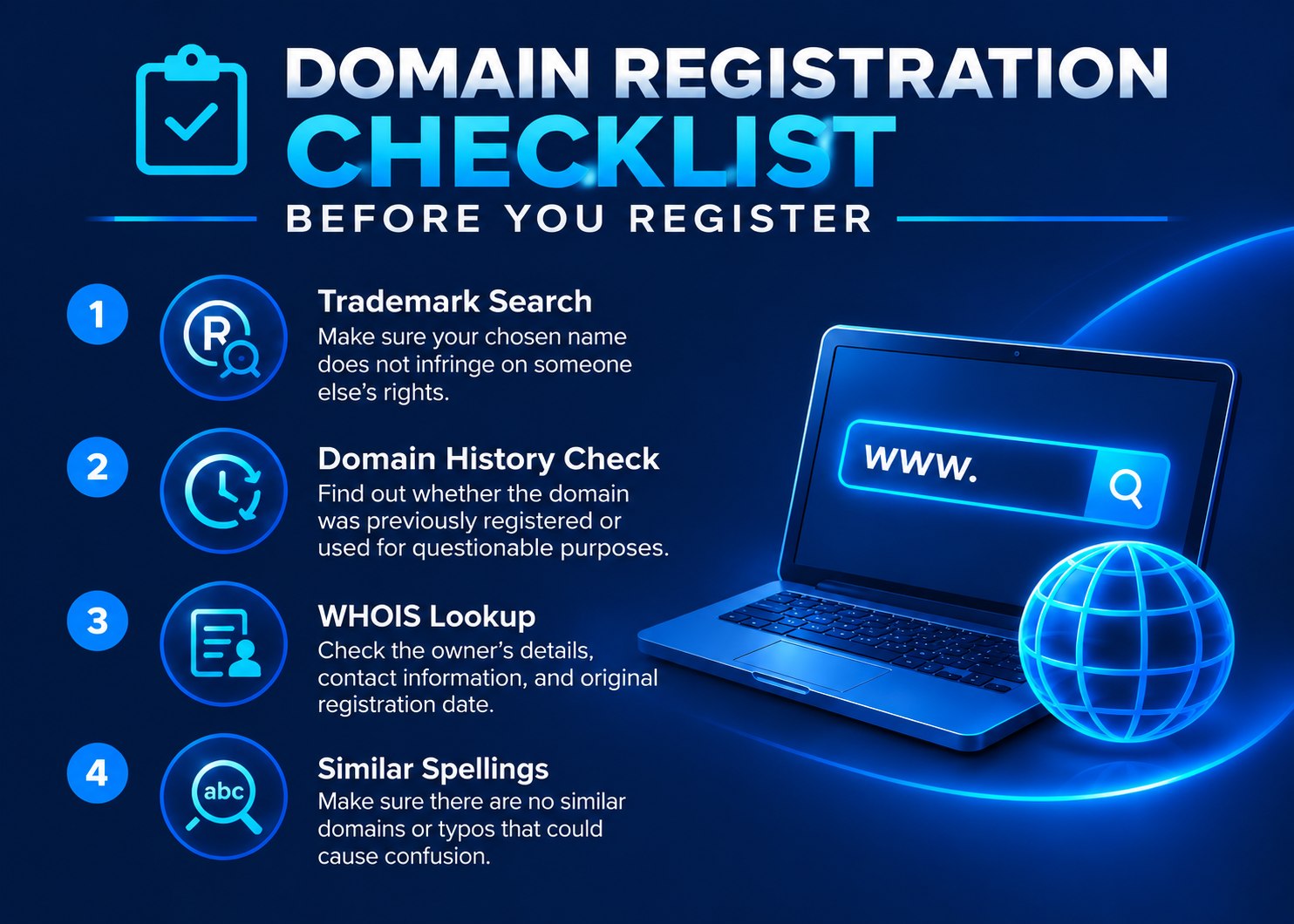
It's best to reduce risks before registration. At a minimum, run a few checks.
Check trademarks. If the name you've chosen matches or resembles a well-known brand, first find out who holds the rights to that mark.
Don't rely solely on "available" status. The fact that a domain is available for registration doesn't mean no one else has rights to it, so besides checking domain availability, check trademark rights as well.
Be careful with well-known brands. Adding a word, number, or hyphen doesn't make a domain independent of someone else's trademark: UDRP practice looks not only at exact matches but also at confusing similarity.
Research the domain's history. If you're buying a dropped domain, find out how it was used before: whether it hosted scam sites, counterfeits, or content infringing on brand rights. Past content doesn't always lead to legal trouble, but it shows whether the domain is tied to someone else's brand or to disputed activity.
Protect your own brand. If you're building a new brand, plan ahead for registering key domain variations and securing trademark rights.
Provide accurate owner information. Inaccurate contact details make managing the domain harder and can work against you in a dispute: notices are sent to the address on file in the registry, and you risk missing the response deadline. Data requirements depend on the registrar and the zone.
You can check whether the name you want is available and register a domain at Leneex. If you're choosing a name primarily for a project and its promotion, tips on picking a name are covered separately — here the focus is on legal risks rather than the SEO characteristics of a domain.
UDRP and domains
Criterion | Domains under UDRP |
Main mechanism | UDRP administrative procedure |
Who reviews it | Providers approved by ICANN (e.g., WIPO); the decision is made by a panel of one or three experts |
Typical subject matter | Bad-faith domain registration and use |
Possible outcome | Transfer of the domain or cancellation of the registration |
Timeline and limits | Usually around two months, with the respondent getting 20 days to reply |
Court proceedings | Possible: a panel decision doesn't strip either party of the right to go to court |
What to do if the domain you want is already taken
Found the perfect domain, but it's already registered? First decide how much you actually need that exact name. If it's not critical, there are two safe options:
choose a different domain zone;
come up with a different name and register an available option before launching your project.
It's not a good idea to pick a domain that simply adds a word to someone else's brand or repeats it with a different spelling. Under WIPO practice, such an address may be found confusingly similar to someone else's trademark. If, on the other hand, you believe the current domain owner is infringing on your rights, that's a different scenario, covered below.
What to do if a dispute affects you or your brand
Two roles are possible here: you've been hit with a claim as the domain owner, or you're the rights holder who believes their rights have been infringed.
If a claim has been filed against you as the domain owner
Find out which procedure applies to the case. For domains under UDRP, you have 20 days to respond to the complaint. During this time, the rights holder must have already filed the complaint.
Gather evidence of your rights: the domain's registration date, proof of how you use it or were preparing to use it, and documents related to your company or brand name.
Check the claim against the three UDRP requirements. The rights holder must prove all three, so it's enough to disprove just one of them.
Don't transfer the domain to another owner or registrar, and don't delete it: the registrar restricts such actions while the dispute is pending.
Consult an intellectual property lawyer, especially if the claim seems unfounded.
A separate scenario is reverse domain name hijacking (RDNH), where a rights holder uses UDRP in bad faith to take a domain away from its legitimate owner. If the panel finds that the complaint was filed in bad faith, it can state outright in its decision that this is an abuse of process under paragraph 15(e) of the UDRP Rules. A typical example is when the domain was registered before the complainant acquired trademark rights; losing a single complaint, however, doesn't by itself amount to RDNH.
If your rights as a rights holder have been infringed
Make sure your rights are backed by documentation.
Document the circumstances: when the domain was registered, what's posted on it, and whether there are any offers to sell it.
Choose the procedure that applies to the zone. For domains under UDRP, complaints are filed with an approved provider, such as WIPO.
Don't file a complaint without grounds: a baseless complaint risks ending in a finding of RDNH.
The specific steps depend on the zone and the circumstances, and that's already a legal matter. In a real conflict, consult an intellectual property specialist.
Bottom line
A domain dispute isn't really about two parties wanting the same address — it's about alleged trademark infringement and bad-faith domain registration. So before registering, ask two questions: "Is the domain available?" and "Does this name infringe on someone else's trademark?" Pay close attention to names that resemble registered trademarks and to domains with a history.
The consequences depend on the zone: domains under UDRP are subject to an administrative procedure. This article is for informational purposes only and doesn't replace legal advice. Before registering a new domain, check its availability, then its history and the rights tied to the chosen name. That way you'll spot a potential problem before launching the site and investing in its promotion.